
Location

Get Directions

343 Harding Pl, Nashville, TN, 37211
Our service schedule is wide open! Book now for same-day appointments!

Toyota Tundra Recommended Maintenance Schedule

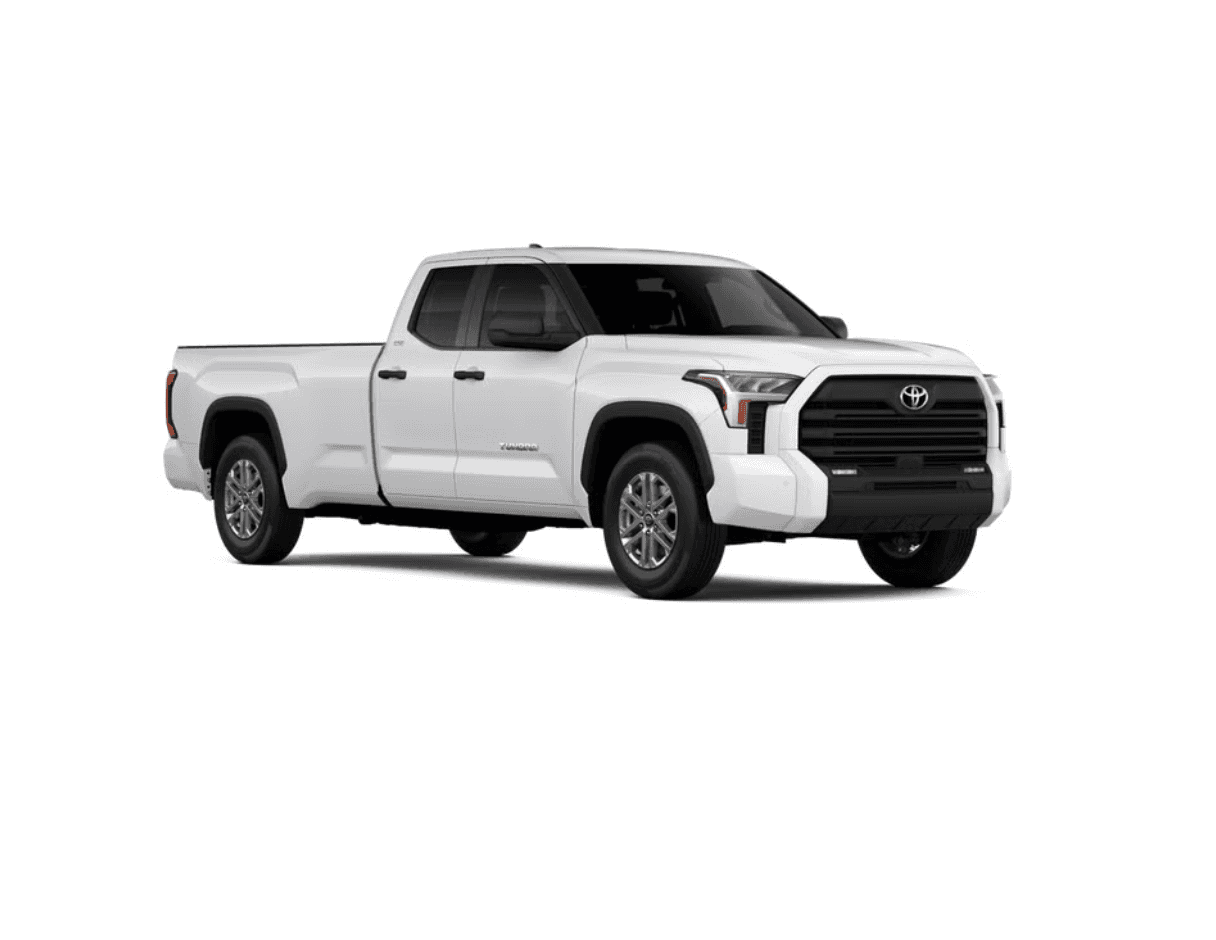
2026 Toyota Tundra white truck front view

Quick Reference Maintenance Checklist (Gas & Hybrid)

Interval Service Items
5,000 Miles / 6 Months (All Models) Tire rotation; Multi-point inspection; Visually inspect brake linings, pads, and discs; Check installation of driver floor mat; Severe driving: engine oil and filter replacement
10,000 Miles / 12 Months Engine oil and filter replacement (Full Synthetic); Cabin air filter inspection; Tire rotation and brake inspection
15,000 Miles / 18 Months (All Models) Inspect ball joints and steering linkage; Inspect drive shaft boots and radiator; Re-torque propeller shaft bolt (4WD models); Lubricate propeller shaft (4WD models)
30,000 Miles / 36 Months Replace engine air filter; Replace cabin air filter; Inspect fuel system and transmission for leaks; Inspect front and rear differential oil; Inspect transfer case oil (4WD models)
60,000 Miles / 72 Months Replace engine air filter and cabin air filter; Inspect accessory drive belts; Severe driving: replace transmission, differential, and transfer case fluids
100,000 to 120,000 Miles Replace spark plugs (120,000 miles for i-FORCE and i-FORCE MAX); Replace engine coolant (Initial at 100,000 miles); Inspect hybrid inverter coolant (Hybrid models)

Keeping up with your maintenance schedule ensures your Toyota Tundra runs just as Toyota designed. Whether you’re towing heavy loads, tackling jobsite tasks, or hitting the open road for a weekend adventure, your Tundra will be ready for anything.

Toyota Tundra Service: 5,000 Miles (Or 6 months)

Your Tundra’s first scheduled service covers key maintenance to preserve performance, fuel efficiency, and long-term reliability. At Beaman Toyota, certified Toyota techs take care of every detail to keep your truck running strong from day one.

Service Timing Based on Your Driving Habits

  • Normal driving (10,000 miles for oil): Typical daily commuting and highway driving. Do not go past 10,000 miles or 12 months for an oil change.
  • Severe driving (5,000 miles for oil): Driving on dusty roads, frequent short trips in freezing weather, or extensive idling (such as police, taxi, or door-to-door delivery).
  • Extreme use (5,000 miles or less): Frequent towing, hauling heavy loads, or using a car top carrier.

What is Included in Your 5,000 Mile Service

  • Tire rotation to promote even tread wear and longer tire life.
  • Complete brake inspection including pads and rotors.
  • Visual inspection of wiper blades and fluid levels.
  • Confirmation of driver floor mat installation to ensure pedal safety.
  • Re-torque of propeller shaft bolt for 4WD models to maintain drivetrain integrity.

Toyota Tundra Service: 10,000 Miles (Or 12 Months)

At the 10,000 mile mark, the focus expands to include the cabin environment and engine oil. This visit includes all previous 5,000 mile services plus:

  • Oil and filter change: Draining old oil and refilling with full synthetic oil to protect the twin turbo V6 engine.
  • Cabin air filter inspection: Technicians check the filter to ensure the interior climate control system remains efficient and the air quality stays fresh for passengers.

Toyota Tundra Service: 15,000 Miles (Or 18 Months)

The 15,000 mile interval is a key milestone for maintaining suspension components and system health. Services include:

  • Drivetrain and Chassis Service: For 4WD Tundra models, technicians lubricate the propeller shaft and re-torque the propeller shaft bolt.
  • Comprehensive inspection: Technicians thoroughly check the steering gear, steering linkage, ball joints, and drive shaft boots for signs of wear.
  • Cooling and Exhaust: Inspection of the radiator, condenser, and exhaust pipes to prevent leaks or performance issues.

Toyota Tundra Service: 30,000 Miles (Or 36 Months)

  • Replace the engine air filter: Vital for protecting your Tundra engine from debris and maintaining optimal fuel economy for both gas and hybrid models.
  • Replace the cabin air filter: Ensures the ventilation system is free of dust and allergens.
  • Fluid and System Inspections: Detailed checks of the transmission, fuel system, and brake lines. For 4WD models, technicians inspect the front and rear differential oil as well as the transfer case oil.

Toyota Tundra Service: 60,000 Miles (Or 72 Months)

  • Driveline Fluid Replacement: Toyota recommends replacing the transmission, differential, and transfer case fluids under heavy use or towing conditions to ensure long term reliability.
  • Inspect accessory drive belts: Technicians check for signs of fraying or cracking on the drive belts to prevent a roadside breakdown.

Toyota Tundra Service: 100,000 to 120,000 Miles

  • Replace spark plugs: Critical for maintaining engine efficiency and preventing misfires. Toyota requires spark plug replacement at 120,000 miles for the latest Tundra powertrains.
  • Flush and replace engine coolant: Drain and fill the engine cooling system at 100,000 miles to protect the engine from overheating and corrosion.
  • Hybrid system care: For Tundra i-FORCE MAX models, technicians inspect the hybrid inverter coolant and high voltage battery components to ensure continued electrical efficiency.

Keeping up with the recommended service schedule helps safeguard your factory warranty and keeps your Toyota Tundra safe and reliable for the road ahead.

When your truck needs service in the Nashville area, the Beaman Toyota Service Center uses genuine Toyota parts to help your Tundra perform at its best.
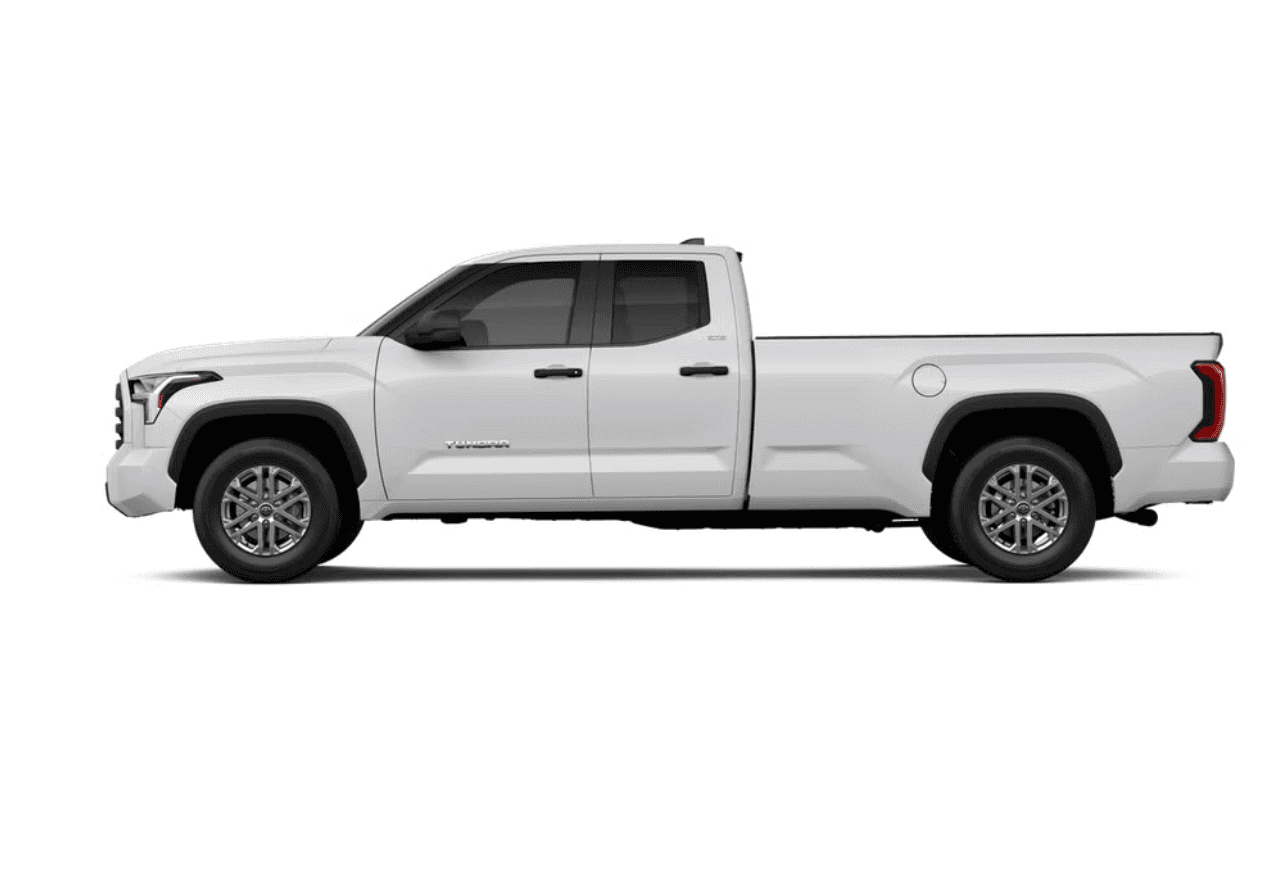
2026 Toyota Tundra white truck side view

Toyota Tundra: Specialized Maintenance for Long Term Performance

The Toyota Tundra is a high-performance full-size truck engineered for power and reliability. Following the Toyota recommended maintenance schedule and professional best practices supports long term durability, especially for the advanced i-FORCE twin turbo engines.

Engine Oil Requirements for Recent Models

Using the correct oil is essential for protecting the turbochargers and maintaining fuel economy in the i-FORCE and i-FORCE MAX engines.

  • Oil type: SAE 5W 30 full synthetic is the standard for the 3.4L twin turbo V6.
  • Oil standard: Must meet Toyota factory requirements, typically ILSAC GF 6A.
  • Oil capacity: Approximately 7.7 quarts with a filter change for the twin turbo V6 engine.
  • Oil filter: Toyota Genuine Oil Filter or a high quality synthetic equivalent designed for turbo applications.

Transmission and Driveline Service

The Tundra features a 10 speed automatic transmission designed for heavy duty use and towing.

Extra care is recommended for: frequent towing or hauling heavy payloads; off road driving on dirt, mud, or deep sand; and extensive idling or low speed city driving.

  • Service guidance: Replace transmission fluid every 60,000 miles under heavy use conditions to manage heat and prevent fluid degradation.

4WD System Maintenance

Tundra models equipped with 4WD require specific driveline attention to ensure smooth engagement.

  • Transfer case and differentials: Inspect fluids regularly. Toyota recommends replacing front and rear differential oil and transfer case fluid every 30,000 miles if you frequently tow or drive in dusty/muddy conditions.
  • Propeller shaft: For 4WD models, technicians should lubricate the propeller shaft and re-torque the propeller shaft bolt every 15,000 miles.
  • System lubrication: Toyota recommends engaging the 4WD system once a month and driving for approximately 10 miles to keep the internal components lubricated.

Cooling and Ignition System Care

The twin turbo and hybrid powertrains generate significant heat and require robust cooling management.

  • Coolant service: Toyota Super Long Life Coolant is initially replaced at 100,000 miles, then every 50,000 miles thereafter.
  • Spark plugs: The i-FORCE engines require spark plug replacement at 120,000 miles to maintain combustion efficiency and prevent misfires.
  • Intercooler cooling: Hybrid i-FORCE MAX models feature a separate cooling system for the hybrid components that should be inspected during every routine service visit.

Suspension and Brake System Care

Given the Tundra’s weight and towing capacity, suspension and braking health are vital for safety.

  • Brake fluid service: Inspect and flush the brake fluid as recommended to prevent moisture buildup and maintain firm pedal feel.
  • Steering and suspension: Inspect ball joints, steering linkage, and drive shaft boots every 15,000 miles for signs of wear or grease leaks.
  • Wheel alignment: Check alignment when installing new tires or after hitting significant potholes to ensure even tread wear.

Heavy Use and Seasonal Maintenance

  • Engine air filters: Replace every 30,000 miles, or more frequently if driving in dusty Nashville construction areas or on gravel roads.
  • Undercarriage cleaning: Rinse mud, road salt, and debris from the frame and suspension components during winter to prevent corrosion.
  • 12 volt battery: Test the battery and charging system annually, especially before cold winter months, to ensure the truck starts reliably.

Interior and Exterior Upkeep

  • Weatherstripping: Treat door seals to prevent drying and wind noise.
  • Toyota Safety Sense: Keep the upper windshield and front emblem clean so the cameras and radar sensors can function properly.
  • Floor mats: Always ensure the driver side floor mat is secured to the factory clips to prevent pedal interference.

Consistent maintenance helps your Toyota Tundra deliver dependable performance for tough jobs and family travel alike.

Toyota Tundra i-FORCE MAX: Specialized Hybrid Maintenance

The i-FORCE MAX setup pairs a gas engine with an electric motor and high-voltage battery to boost power and save fuel. Because this system is more advanced, it needs the right care to stay reliable long term.

Hybrid Battery Cooling Filters

The hybrid battery is under the rear seats and relies on consistent airflow for cooling.

  • Inspect every 5,000 miles: Dust and pet hair can collect in the intake vents on either side of the rear seat.
  • Maintenance tip: Technicians should check and clean these filters regularly. A clogged filter can lead to battery overheating, which reduces performance and shortens battery life.

Hybrid Inverter Coolant

The electric motor and power electronics use a dedicated cooling system separate from the engine.

  • Check levels regularly: Ensure the inverter coolant remains at the proper level to protect sensitive electrical components.
  • Replacement interval: This coolant typically requires replacement at 150,000 miles or 15 years.

Regenerative Braking and Mechanical Brakes

The i-FORCE MAX uses regenerative braking to capture energy while slowing down.

  • Brake wear: Because the electric motor assists in braking, traditional pads and rotors may last longer than on gas only models.
  • Slide pin lubrication: Even if the pads are thick, the caliper slide pins should be lubricated periodically to prevent them from seizing due to road salt or lack of use.

Stick to the right service plan and your Tundra i-FORCE MAX hybrid keeps delivering strong power and smart efficiency mile after mile.

Why Service Your Toyota Tundra at Beaman Toyota in Nashville?

When you schedule service at Beaman Toyota, technicians who service Toyota trucks day in and day out care for your Tundra. From classic V8 models to today’s i-FORCE twin-turbo trims, our team knows how to keep your Tundra tough enough for hard work and dependable for weekend getaways.

Factory Trained Toyota Expertise

  • Tundra Specialized Technicians trained on Toyota full size trucks
  • 3.4L Twin Turbo V6 i-FORCE gas engine knowledge
  • 10 speed Electronically Controlled Automatic Transmission expertise
  • TRD Pro and TRD Off Road tuned suspension systems
  • i-FORCE MAX Hybrid high voltage battery and electric motor integration
  • 4WD and Driveline Specialists for transfer cases, differentials, and propeller shafts
Advanced Diagnostic Technology

  • Toyota Factory Software designed for 3rd generation Tundra electronics
  • Precision identification of issues within turbocharging and hybrid systems
  • Efficient repairs that minimize guesswork and unnecessary parts replacements
Toyota Genuine Parts Advantage

  • OEM Toyota Parts only — factory approved components for the Tundra chassis and powertrain
  • Engineered for the high torque and towing demands unique to the Tundra
  • Toyota Safety Sense 2.5 or 3.0 sensor recalibration after repairs
Complimentary Multi Point Inspection

  • Braking Systems: pads, rotors, lines, and regenerative braking on i-FORCE MAX
  • Battery and Electrical: 12 volt battery and hybrid battery cooling intake checks
  • Chassis and Drivetrain: frame, suspension, and driveline inspection for leaks or wear

Choosing certified service at Beaman Toyota helps keep your Toyota Tundra safe, reliable, and running the way Toyota intended — whether you’re heading to the job site or cruising down the highway.

Toyota Warranty and Maintenance Coverage

36 Months / 36,000 Miles
New Vehicle Bumper-to-Bumper Limited Warranty
60 Months / 60,000 Miles
New Vehicle Powertrain Limited Warranty
60 Months / Unlimited Miles
Rust-Through Coverage (Anti-Perforation)
2 Years / Unlimited Miles
ToyotaCare 24/7 Roadside Assistance
2 Years / 25,000 Miles
ToyotaCare No Cost Maintenance Plan
8 Years / 100,000 Miles
Hybrid System Components & Battery Warranty
10 Years / 150,000 Miles
Hybrid Vehicle Battery Warranty (2020+ Models)

View Warranty & Extended Protection Plans: The Toyota Warranty

FAQs

Warranty and Maintenance Coverage


  • Basic Warranty: 3 years or 36,000 miles
  • Powertrain Warranty: 5 years or 60,000 miles
  • Corrosion Perforation: 5 years with unlimited miles
  • Emissions Coverage: Varies by state and specific components


Yes. Every new Tundra includes ToyotaCare. Coverage lasts 2 years or 25,000 miles and includes factory scheduled maintenance and 24 hour roadside assistance.


Yes. ToyotaCare Plus extends coverage for oil changes, tire rotations, and multi point inspections up to 5 years or 75,000 miles.

Ownership and Repair Costs


Average annual costs typically range from $500 to $800 depending on mileage and use.


Estimated total is $3,000 to $3,800. Severe driving conditions, frequent towing, or off-road use can increase these costs.

Oil and Fluid Service


The Tundra uses synthetic 0W-20 oil.

  • Normal driving: every 10,000 miles or 12 months
  • Severe use (towing or idling): every 5,000 miles or 6 months


The Tundra uses World Standard fluid.

  • Normal use: Inspection only
  • Heavy use or towing: Replace fluid every 60,000 miles


Using Toyota Super Long-Life Coolant:

  • First flush: 100,000 miles or 10 years
  • Subsequent flushes: Every 50,000 miles or 5 years

Brakes, Tires, and Suspension


Brakes should be inspected every 5,000 miles or 6 months during your regular tire rotation.


  • Rotation: Every 5,000 miles to ensure even wear
  • Replacement: Typically between 40,000 and 60,000 miles depending on load and terrain

Engine Components


A multi-point inspection is performed by Beaman Toyota technicians every 5,000 miles.


For the i-FORCE and i-FORCE MAX engines, spark plugs should be replaced every 40,000 miles.


The modern Tundra engines utilize a timing chain designed to last the life of the engine.

Filters and Battery


  • Cabin air filter: Every 30,000 miles
  • Engine air filter: Every 30,000 miles (more frequent if driving in dusty conditions)


Typically 3 to 5 years. We recommend testing the battery annually after the third year of ownership.

4WD and Hybrid Maintenance


Yes. Inspect the transfer case oil and differential oil every 15,000 miles. These fluids should be replaced every 15,000 miles if you frequently tow or drive on unpaved roads.


The battery itself is maintenance free. However, the hybrid battery cooling intake filter should be inspected and cleaned regularly to ensure proper performance.

Common Mechanical Watch Outs


This is often caused by tire imbalance or flat spots. Because the Tundra is a heavy-duty truck, the suspension can be sensitive to wheel balance issues.


Brief squealing or a grinding sound when first moving in the morning is often just surface oxidation on the rotors. Persistent noise requires a professional inspection.

Engine Performance and Sounds


Towing, carrying heavy payloads, installing oversized tires, or aggressive acceleration will significantly reduce MPG. Maintaining proper tire pressure is essential for efficiency.


This is typically the normal operation of the high pressure direct injection system and is a standard characteristic of the i-FORCE powertrain.

Service and Warranty Questions


  • Toyota trained technicians who specialize in truck platforms
  • Genuine Toyota (OEM) parts designed for towing and heavy loads
  • Centralized service records tied to your VIN for better resale value
  • Immediate access to software updates and safety recalls


Yes. You may perform your own maintenance. You must keep all detailed receipts and a service log that includes dates and specific mileage for every service performed.

Dealership Service Questions


  • Expert technicians who understand the specific body on frame construction and advanced 4WD systems.
  • Genuine Toyota Parts that ensure the durability of your truck.
  • Service records are uploaded to the Toyota national database.
  • Specialized diagnostic tools for Toyota Safety Sense and off-road systems like Multi Terrain Select and Crawl Control.

Schedule Service Appointment at The Beaman Toyota Service Center

Beaman Toyota Service Center

343 Harding Pl, Nashville, TN 37211

Mon – Fri: 6:00 AM – 7:00 PM

Sat: 6:00 AM – 4:00 PM

Sun: Closed

Let’s keep your Toyota Tundra running strong with top-tier service from Beaman Toyota. Our factory-trained techs handle maintenance and repairs with care and precision for drivers throughout Middle Tennessee, including Nashville, La Vergne, and nearby areas.

We rely on genuine Toyota parts, cutting-edge diagnostics, and time-tested service methods to get the job done right — fast and hassle-free. When accuracy, durability, and peace of mind matter, drivers choose Beaman Toyota.

Schedule your Tundra service today and get back on the road with confidence.

Shop Toyota Now

Disclaimers

Beaman Toyota believes the information and specifications on this website to be correct at the time of publishing.

Service intervals, track recommendations, fluids, costs, and warranty details are for general information only and may vary by model year, driving style, track use, and manufacturer updates. Track use increases service needs and wear. Warranties cover defects only and do not include routine or performance maintenance unless stated. This content is not a binding offer. Always follow the Owner’s Manual, Track Preparation Guide, and dealership guidance.

Images of vehicles are for illustrative purposes only. Please see the dealer for details and availability.

Menu

Beaman Toyota 36.086347454380686, -86.6969109191025.